Before smartphone apps, continuous glucose monitors and patient portals, many people with diabetes learned the basics of self-care from printed pamphlets and short conversations at the doctor’s office. As the internet grew, a new kind of resource appeared: websites built to explain diabetes in plain language, any time of day.
The name bddiabetes.com is remembered as part of that early digital-health landscape, associated with the diabetes education efforts of Becton, Dickinson and Company (BD). This article looks back at what that era of online learning offered, why it mattered, and how this independent site aims to carry the same educational spirit forward.
Key Takeaways
- BD, a long-established medical technology company, offered online diabetes education through its BD Diabetes Learning Center.
- That resource covered managing diabetes with diet and exercise, pills and insulin, and included how-to videos.
- Early online education was valuable because it was free, available anytime and focused on practical skills.
- This website is an independent educational resource. It is not run, endorsed or sponsored by BD.
- Online information supports, but never replaces, guidance from your own healthcare team.
Explore every guide on the BDDiabetes.com homepage.
A Brief, Neutral Look Back
Becton, Dickinson and Company, widely known as BD, is a global medical technology company. For many years, its product lines included diabetes care supplies such as insulin syringes and pen needles, and the company also published educational material for people using them.
One example was the BD Diabetes Learning Center. An entry in MERLOT, a long-running catalog of online teaching materials, added it to its collection in 2009. The listing describes the learning center as designed to teach people about diabetes and how to get the best results from their care. It covered managing diabetes with diet and exercise, with pills and with insulin, and included videos, such as a demonstration of how to draw up insulin.
Other public listings note that the learning center content was offered in both English and Spanish, and that BD later hosted it on its main corporate website. BD subsequently separated its diabetes care business into an independent company, embecta. We don’t attempt to reconstruct exact launch dates or page-by-page details here, since those aren’t reliably documented in public sources.
An Important Note About This Site
This website is an independent diabetes-education resource. It is not owned, operated, endorsed or sponsored by BD or embecta, and it does not use their logos or branding. We reference this history only to describe, factually, the kind of online education that helped shape how people learn about diabetes today.
What Made Early Online Diabetes Education Valuable
Looking back, the best early diabetes websites shared a few qualities that still matter.
Practical, Skills-Based Teaching
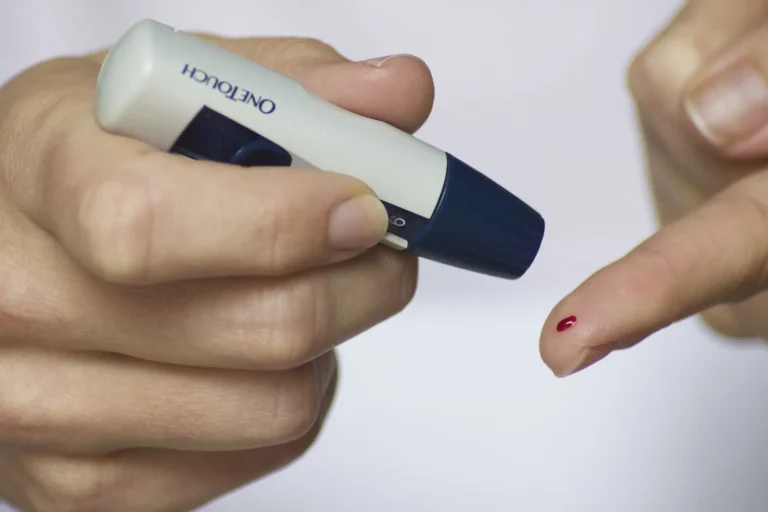
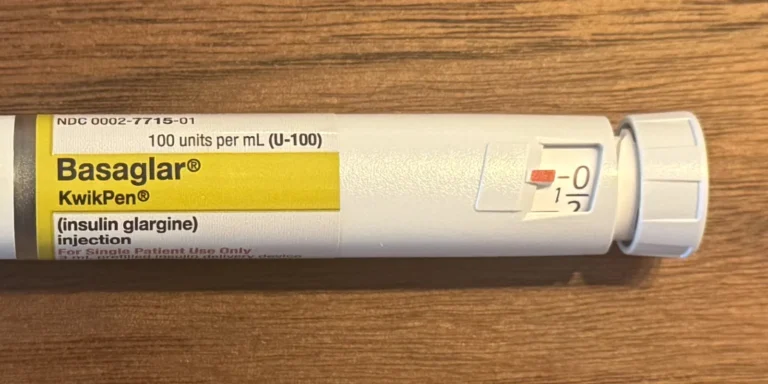
Newly diagnosed people often need step-by-step help with tasks that feel intimidating at first: drawing up insulin, using a pen, checking blood sugar or reading a food label. Short videos and illustrated guides made those skills easier to learn and review at home.
Always Available
Questions about diabetes don’t wait for office hours. Online resources let people revisit instructions late at night, share them with family members and learn at their own pace.
Plain Language
Good diabetes education explains concepts like insulin resistance or A1C without jargon. That approach helps people feel capable instead of overwhelmed.
Reaching More People
Offering material in more than one language and free of charge helped extend education to people who might not have easy access to a diabetes educator.
How Diabetes Education Has Changed
Diabetes care and education have advanced considerably. Today’s guidance from organizations like the American Diabetes Association and the NIDDK reflects newer research, technology and a stronger focus on the whole person.
| Then | Now |
|---|---|
| Education often centered on insulin injections and fingerstick testing | Education also covers CGMs, insulin pumps, connected pens and apps |
| Information mostly delivered one-way, from website to reader | Interactive tools, telehealth and peer communities add two-way support |
| Focus mainly on physical self-care tasks | Greater attention to emotional health, sleep and diabetes distress |
| General guidance for “people with diabetes” | More individualized goals based on age, health and personal preferences |
| Desktop websites | Mobile-friendly content available on phones and tablets |
What hasn’t changed is the core need: clear, trustworthy information that helps people take care of themselves between appointments.
How This Site Carries the Educational Mission Forward
At bddiabetes.com, our goal is to offer the kind of practical, plain-language education that made early resources helpful, updated for how diabetes is managed today. Every article is written to align with current guidance from organizations such as the ADA, CDC and NIDDK, and each one encourages readers to follow their own care team’s advice.
Here is what we focus on:
- Foundational knowledge: Clear explanations of how diabetes works, such as our comparison of type 1 vs. type 2 diabetes.
- Hands-on skills: Step-by-step guides like how to use an insulin pen and how to check your blood sugar.
- Everyday living: Practical advice on food, activity, sleep, travel and emotional health, including simple tools like the diabetes plate method.
- Honesty and care: We avoid hype, don’t give individual dosing instructions and link to authoritative sources.
Tip: Whatever website you use, check who wrote the content, when it was last reviewed and whether it links to trusted sources such as government health agencies or professional medical organizations.
Using Online Diabetes Information Wisely
The internet can be an excellent learning tool, but not every source is reliable. A few habits can help you make the most of what you read.
- Prefer authoritative sources. Government agencies, academic medical centers and established professional organizations are good starting points.
- Look for dates. Diabetes recommendations evolve, so newer content is generally more useful.
- Be cautious with miracle claims. No supplement or diet “cures” diabetes overnight.
- Bring questions to your team. Use what you learn to have better conversations with your doctor, diabetes educator or pharmacist.
- Don’t change treatment on your own. Online articles, including ours, are educational and are not personal medical advice.
You can find more background articles and practical guides in our Blog section.
Frequently Asked Questions
Is this website affiliated with BD?
No. This is an independent educational website. It is not run, endorsed or sponsored by BD or embecta.
What was the BD Diabetes Learning Center?
It was an online educational resource from BD that explained how to manage diabetes with diet and exercise, pills and insulin, and included instructional videos, according to public listings such as MERLOT.
Where can I find reliable diabetes education today?
Good sources include the American Diabetes Association, the CDC, the NIDDK and diabetes self-management education programs, along with your own healthcare team.
Can I rely on online articles instead of seeing a doctor?
No. Online education can help you understand diabetes and prepare questions, but decisions about your treatment should always be made with your healthcare team.
This article is for educational purposes only and is not a substitute for professional medical advice. Always talk with your doctor, diabetes educator or pharmacist before changing your treatment.