
If you or someone you love has just been told “diabetes,” one of the first questions is usually, “Which type?” The answer matters, because type 1 and type 2 diabetes start in different ways and are managed differently, even though both lead to high blood sugar.
This guide walks through the key differences in plain language: what is happening inside the body, who tends to get each type, how doctors tell them apart and what treatment usually looks like.
Key Takeaways
- Type 1 diabetes is an autoimmune condition: the body stops making insulin, so insulin therapy is always needed.
- Type 2 diabetes starts with insulin resistance; the body still makes insulin but cannot use it well, and production may decline over time.
- Type 2 is far more common, accounting for about 90% to 95% of diabetes cases in the US.
- Both types are diagnosed with the same blood tests, and extra antibody tests can help confirm type 1.
- Neither type is anyone’s “fault,” and both can be managed well with the right plan and support.
What Diabetes Means in the First Place
When you eat, your body breaks down carbohydrates into glucose (sugar) that enters your bloodstream. Insulin, a hormone made by beta cells in the pancreas, acts like a key that lets glucose move from the blood into your cells for energy.
Diabetes happens when there is not enough insulin, when the body cannot use insulin properly, or both. Glucose then builds up in the blood. Over years, high blood sugar can damage blood vessels and nerves, which is why steady management matters so much.
According to the CDC, more than 40 million Americans have diabetes, and many more have prediabetes. Most of them have type 2.
Type 1 Diabetes: When the Body Stops Making Insulin
Type 1 diabetes is an autoimmune condition. The immune system mistakenly attacks and destroys the insulin-producing beta cells in the pancreas. Without those cells, the body makes little or no insulin.
Researchers believe a mix of genetic risk and other triggers, possibly including viral infections, sets this process in motion. Type 1 is not caused by eating sugar or by lifestyle choices, and it cannot currently be prevented.
Who gets type 1?
Type 1 is often diagnosed in children, teens and young adults, but it can appear at any age.
How type 1 usually shows up
Symptoms often develop quickly, over days to weeks. People may notice:
- Extreme thirst and frequent urination
- Unplanned weight loss despite normal or increased eating
- Intense hunger, fatigue and blurred vision
- Nausea, vomiting or stomach pain, which can signal diabetic ketoacidosis (DKA), a medical emergency
Type 2 Diabetes: When Insulin Stops Working Well
In type 2 diabetes, the body still makes insulin, at least at first. The problem is insulin resistance: muscle, fat and liver cells do not respond to insulin as they should. The pancreas works harder to keep up, and over time it may not make enough insulin to keep blood sugar in range.
Risk factors include family history, age over 35, carrying extra weight (especially around the belly), physical inactivity and a history of gestational diabetes. Type 2 is also more common among African American, Hispanic/Latino, American Indian, Alaska Native and some Asian American and Pacific Islander communities.
How type 2 usually shows up
Type 2 tends to develop slowly, over years. Many people have mild symptoms or none at all, which is why routine screening is so important. When symptoms do appear, they can include thirst, frequent urination, tiredness, slow-healing sores and frequent infections. Many cases are first found on a routine blood test, often after a period of prediabetes.
Type 1 vs Type 2 Diabetes at a Glance
This side-by-side comparison summarizes the typical patterns.
| Feature | Type 1 diabetes | Type 2 diabetes |
|---|---|---|
| Main cause | Autoimmune destruction of insulin-making cells | Insulin resistance plus gradual decline in insulin production |
| Share of US cases | About 5% to 10% | About 90% to 95% |
| Typical age at diagnosis | Often childhood or young adulthood, but any age | Most often adults, though rising in youth |
| Onset | Usually fast (days to weeks) | Usually gradual (years) |
| Insulin needed? | Always, from diagnosis | Sometimes; many start with lifestyle changes and other medicines |
| Can it be prevented? | Not currently | Risk can often be lowered or delayed |
How Doctors Tell the Two Types Apart
Both types are diagnosed with the same blood tests, described by the American Diabetes Association. Diabetes is diagnosed with an A1C of 6.5% or higher, a fasting plasma glucose of 126 mg/dL or higher, a 2-hour oral glucose tolerance test result of 200 mg/dL or higher, or a random glucose of 200 mg/dL or higher with classic symptoms. Results usually need to be confirmed. If you want to understand that first number better, see our guide to the A1C test.
To figure out which type it is, your doctor may also look at:
- Autoantibody tests, which look for immune markers that point to type 1
- C-peptide levels, which show how much insulin your own body is still making
- Your overall picture, including age, body weight, family history and how quickly symptoms appeared
Getting the type right matters, because it shapes your treatment plan.
How Treatment Differs
Treating type 1
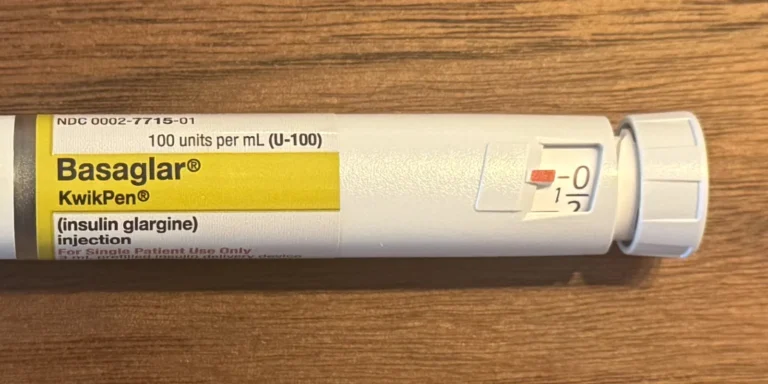
People with type 1 need insulin every day to survive, because their bodies no longer produce it. Insulin is given by injection with a pen or syringe or through an insulin pump. Many people also use a continuous glucose monitor (CGM). Learning how to use an insulin pen correctly is often one of the first skills people practice after diagnosis.
Treating type 2
Type 2 treatment is more varied. It often starts with healthy eating, regular physical activity and weight management, along with medicine such as metformin. Many people are prescribed newer medicines, such as GLP-1 receptor agonists or SGLT2 inhibitors, which can also protect the heart or kidneys.
Because type 2 can progress, some people eventually need insulin. Needing insulin does not mean you failed. It simply means your body needs more support, and it is one of the most effective tools available.
Tip: Write down your questions before each appointment, such as “Which type do I have, and how sure are we?” or “What should my blood sugar targets be?” A short list helps you get clear answers in a limited visit.
What Both Types Have in Common
Despite their differences, type 1 and type 2 diabetes share a lot. The goals of care are the same: keep blood sugar in a healthy range, protect your heart, kidneys, eyes and nerves, and feel your best day to day.
- Regular blood sugar checks or CGM use, as advised by your team
- Balanced meals and an understanding of how carbohydrates affect you
- Regular physical activity
- Routine eye, foot, kidney and dental checks
- Emotional support, because living with any chronic condition can be stressful
At bddiabetes.com we believe that understanding your diagnosis is the first step toward feeling in control. You can explore more foundational guides in our Diabetes Basics section.
Frequently Asked Questions
Can type 2 diabetes turn into type 1?
No. They are different conditions with different causes. However, some adults first diagnosed with type 2 are later found to have a slowly developing form of autoimmune diabetes, which is why testing may be repeated if treatment is not working as expected.
Is type 1 diabetes caused by eating too much sugar?
No. Type 1 is an autoimmune condition and is not caused by diet. For type 2, overall eating patterns and body weight can affect risk, but genetics and other factors play a major role too.
Can type 2 diabetes go away?
Some people reach normal blood sugar levels without diabetes medicine, often through significant weight loss, which is sometimes called remission. Diabetes can return, so ongoing monitoring is still important.
Do people with type 2 diabetes always need insulin?
Not always. Many people manage type 2 with lifestyle changes and non-insulin medicines for years. Others need insulin at some point. Your care team will recommend what fits your needs.
This article is for educational purposes only and is not a substitute for professional medical advice. Always talk with your doctor, diabetes educator or pharmacist before changing your treatment.