
Low blood sugar, also called hypoglycemia, can come on quickly. One minute you feel fine, and the next you are shaky, sweaty or unable to focus. For people who take insulin or certain diabetes pills, knowing how to spot and treat a low is an essential safety skill.
The good news is that most mild lows can be treated quickly at home with a simple method called the Rule of 15. This guide explains the symptoms, the common causes, and exactly how the Rule of 15 works, along with when a low becomes an emergency.
Key Takeaways
- For most people with diabetes, a blood sugar below 70 mg/dL is considered low.
- Early symptoms include shakiness, sweating, a fast heartbeat, hunger, irritability and confusion.
- The Rule of 15: eat or drink 15 grams of fast-acting carbs, wait 15 minutes, then recheck.
- Severe lows need glucagon and emergency help; never give food or drink to someone who cannot swallow safely.
- Frequent lows are a signal to talk with your healthcare team about your treatment plan.
Explore every guide on the BDDiabetes.com homepage.
What Counts as Low Blood Sugar?
According to the American Diabetes Association (ADA), a blood glucose level below 70 mg/dL is considered low for most people with diabetes. Lows are often described in three levels:
| Level | Blood sugar | What it means |
|---|---|---|
| Level 1 | Below 70 mg/dL down to 54 mg/dL | Mild low; usually treatable on your own |
| Level 2 | Below 54 mg/dL | Clinically significant low; treat right away |
| Level 3 | Any number | Severe low; you need help from another person to recover |
Your doctor may set a different threshold for you. Children, older adults and people who are pregnant often have individualized targets.
Symptoms of Low Blood Sugar
Symptoms vary from person to person and can change over time. The NIDDK lists these common warning signs:
Early or mild symptoms
- Shakiness or trembling
- Sweating or chills
- Fast or pounding heartbeat
- Hunger or nausea
- Feeling nervous, anxious or irritable
- Dizziness or lightheadedness
- Tingling lips or tongue
More serious symptoms
- Confusion or trouble concentrating
- Blurred or double vision
- Slurred speech or clumsiness
- Unusual behavior that may look like being drunk
- Seizures or loss of consciousness
Lows during sleep
Nighttime lows can cause nightmares, crying out, damp sheets from sweating, or waking with a headache. If you notice these signs, tell your care team.
Hypoglycemia unawareness
Some people, especially those who have had diabetes for many years or have frequent lows, stop feeling early symptoms. This is called hypoglycemia unawareness. It raises the risk of severe lows, so checking your blood sugar more often or using a continuous glucose monitor with alerts may help.
Common Causes of Low Blood Sugar
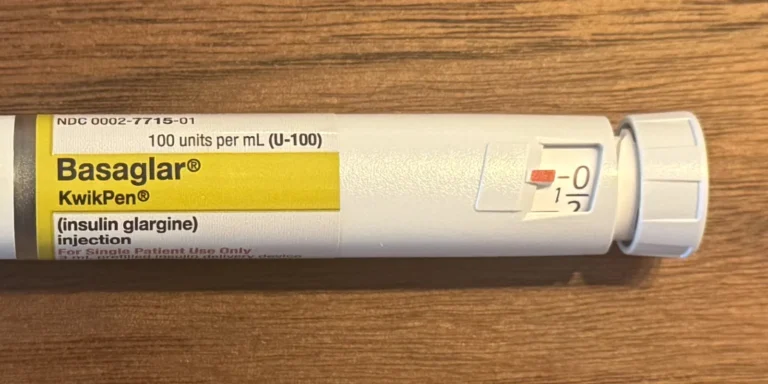
Lows are most common in people who take insulin or medicines such as sulfonylureas, which increase insulin release. Common triggers include:
- Too much insulin or medicine for the amount of food eaten
- Skipping or delaying a meal, or eating fewer carbs than planned
- Extra physical activity, which can lower blood sugar during and for hours after exercise
- Drinking alcohol, especially without food
- Illness, particularly with vomiting or a poor appetite
- Timing mix-ups, such as taking mealtime insulin and then not eating
If you are learning to match food and insulin, our carb counting starter guide can help you understand how carbohydrates affect your numbers.
How to Use the Rule of 15
The Rule of 15 is the standard approach for treating a mild to moderate low in adults when the person is awake and able to swallow. Here is how it works:
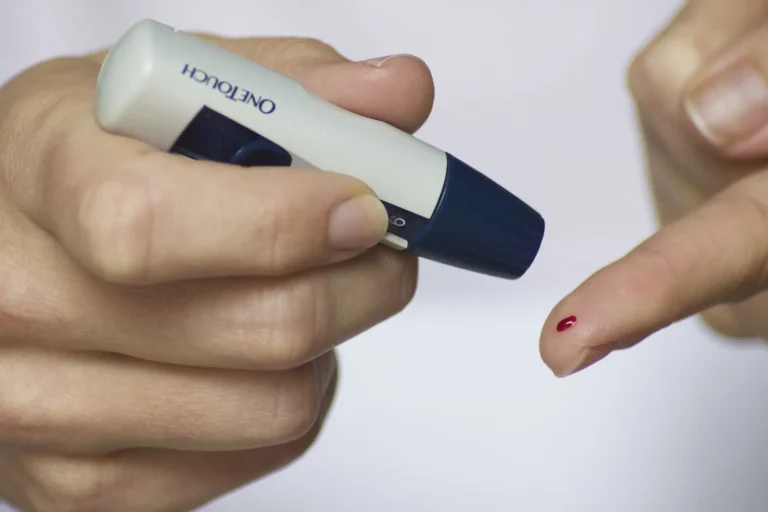
- Check your blood sugar if you can. If you cannot check but have symptoms, treat anyway.
- Take 15 grams of fast-acting carbohydrate, such as juice, regular soda or glucose tablets.
- Wait 15 minutes. Sit down and rest while the sugar is absorbed.
- Recheck your blood sugar. If it is still below 70 mg/dL, take another 15 grams and wait 15 minutes again.
- Once you are back in range, eat a meal or a snack with carbohydrate and protein if your next meal is more than an hour away.
Tip: Keep a low kit everywhere you spend time: your bag, car, desk and bedside table. Glucose tablets or gel are easy to carry and pre-measured, so you are less likely to over-treat.
What 15 grams of fast-acting carbs looks like
| Food or drink | Amount for about 15 grams of carbs |
|---|---|
| Fruit juice | 4 ounces (1/2 cup) |
| Regular soda (not diet) | 4 ounces (1/2 cup) |
| Glucose tablets | Check the label; often 3–4 tablets |
| Glucose gel | 1 tube; check the label |
| Sugar or honey | 1 tablespoon |
| Hard candies or jelly beans | Check the label for the serving that equals 15 grams |
Choose sources that are mostly sugar. Foods with fat or protein, such as chocolate, cookies or peanut butter, slow down absorption and are not ideal for a fast fix. Young children usually need smaller amounts, so ask your child’s care team for their specific plan.
Avoid over-treating
When you feel awful, it is tempting to keep eating until the symptoms stop. But symptoms can take a few minutes to fade even after your sugar rises, and over-treating often leads to a high reading later. Trust the 15-minute wait and recheck.
When a Low Becomes an Emergency
A severe low can make a person confused, unable to swallow, or unconscious. In that situation:
- Do not put food or drink in their mouth, because they could choke.
- Give glucagon if it has been prescribed and you have been shown how to use it. Glucagon comes as an injection or a nasal spray.
- Call 911 if glucagon is not available, if the person does not respond within about 15 minutes, or if you are unsure.
- Turn the person on their side in case of vomiting.
Ask your doctor whether you should have a glucagon prescription, and teach family members, coworkers and friends how to use it.
Preventing Future Lows
A few habits can lower your risk:
- Check your blood sugar regularly, especially before driving, exercising and bedtime. Our guide to checking your blood sugar accurately covers the basics.
- Eat meals and snacks on a consistent schedule if your medicine requires it.
- Carry fast-acting carbs at all times.
- Wear medical ID so others know you have diabetes.
- Review any frequent lows with your healthcare team, since your dose or medicine may need to change.
Find more guides on readings and targets in our Blood Sugar section.
Frequently Asked Questions
Can people with diabetes who do not take insulin get low blood sugar?
Yes, though it is less common. Some diabetes pills, especially sulfonylureas, can cause lows. Ask your pharmacist whether your medicines carry this risk.
Should I drive if my blood sugar is low?
No. Pull over safely, treat the low and wait until your blood sugar is back in your target range and you feel fully alert before driving again.
Why does my blood sugar go high after treating a low?
This often happens when a low is over-treated with too many carbs. Using a measured 15 grams and waiting 15 minutes helps prevent the rebound.
This article is for educational purposes only and is not a substitute for professional medical advice. Always talk with your doctor, diabetes educator or pharmacist before changing your treatment.