

Regular physical activity is one of the most powerful tools you have for managing diabetes. Moving your body helps your muscles use glucose for energy, makes your cells more sensitive to insulin, and supports your heart, weight, mood and sleep.
Exercise also changes your blood sugar, sometimes in ways you don’t expect. With some planning, you can stay active safely, whether you prefer brisk walks, swimming, yoga, cycling or strength training. This guide covers how activity affects glucose, how to prepare, and what to do if your numbers run low or high.
Key Takeaways
- Most adults with diabetes are encouraged to aim for at least 150 minutes of moderate activity per week, plus strength training two to three times a week.
- Exercise usually lowers blood sugar, but intense workouts can raise it for a while.
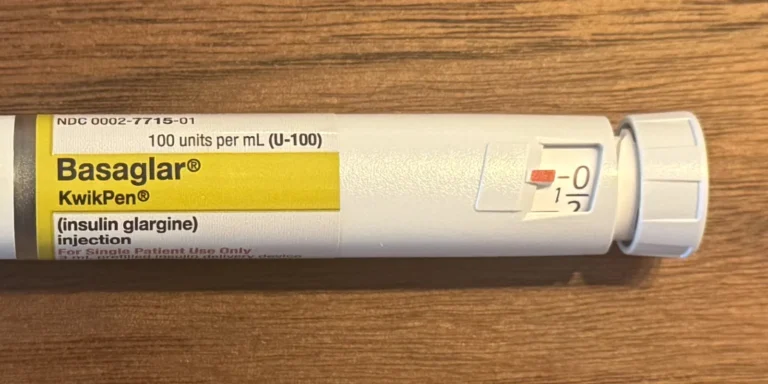
- People who take insulin or certain oral medicines have a higher risk of low blood sugar during and after activity.
- Checking glucose before, during and after exercise helps you learn your own patterns.
- Always carry fast-acting carbohydrate and talk with your healthcare team before starting a new routine.
Explore every guide on the BDDiabetes.com homepage.
How Exercise Affects Blood Sugar
When you move, your muscles need fuel. They pull glucose from your bloodstream, and during activity they can do this even without much insulin. That is why a walk after a meal often brings blood sugar down.
The effect doesn’t stop when you do. For hours afterward, your muscles keep refilling their energy stores and your body stays more sensitive to insulin. This is helpful for long-term control, but it also means blood sugar can drop later in the day or overnight.
Why Some Workouts Raise Glucose
Short, very intense activity, such as sprinting, heavy lifting or competitive sports, triggers stress hormones like adrenaline. These hormones tell your liver to release stored glucose, which can temporarily push your numbers up. This is usually short-lived, but it’s worth knowing so a post-workout reading doesn’t surprise you.
How Much Activity Is Recommended?
The American Diabetes Association and the CDC’s physical activity guidelines offer similar targets for most adults. Your own goals may differ based on your age, health and other conditions, so treat these as a starting point to discuss with your care team.
| Type of activity | General goal for most adults | Examples |
|---|---|---|
| Aerobic (moderate) | At least 150 minutes per week, spread over 3 or more days | Brisk walking, cycling, swimming, dancing |
| Strength training | 2 to 3 sessions per week on non-consecutive days | Resistance bands, weights, body-weight exercises |
| Flexibility and balance | 2 to 3 times per week, especially for older adults | Yoga, tai chi, stretching |
| Less sitting | Break up long periods of sitting about every 30 minutes | Standing, a short walk, light stretching |
If 150 minutes sounds like a lot, remember that it breaks down to about 30 minutes, five days a week. Even 10-minute walks after meals count, and every bit of movement adds up.
Before You Start: Talk With Your Healthcare Team
Before beginning a new exercise program, especially a vigorous one, check in with your doctor or diabetes educator. This matters most if you have had diabetes for many years, take insulin, or have heart disease, high blood pressure, nerve damage, eye disease or kidney disease.
Your team can help you decide which activities fit you best. They may also suggest changes to medication timing or doses on active days. Never adjust insulin or other medicines on your own without guidance.
Questions Worth Asking
- What blood sugar range is safe for me to start exercising?
- Should I change my insulin or medication on days I work out?
- Are there activities I should avoid because of my eyes, feet or heart?
- How often should I check my glucose during longer sessions?
Preventing Low Blood Sugar During Activity
Hypoglycemia, usually defined as a reading below 70 mg/dL, is the most common exercise-related risk for people who take insulin or medicines such as sulfonylureas. People managing type 2 diabetes with diet and metformin alone have a much lower risk.
Signs of a low can include shakiness, sweating, a fast heartbeat, hunger, dizziness, irritability or confusion. During exercise, some of these are easy to confuse with normal effort, so stop and check if something feels off.
Practical Steps to Stay Safe
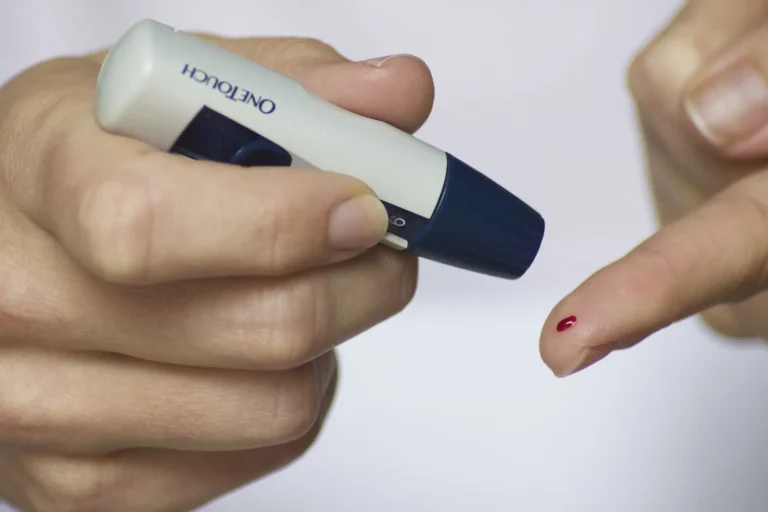
- Check your blood sugar before you begin, and again during long or intense sessions.
- Carry fast-acting carbohydrate, such as glucose tablets, juice or regular soda.
- Exercise with a friend or let someone know your plan, especially for outdoor or solo workouts.
- Wear medical identification that says you have diabetes.
- Check again afterward and before bed, since lows can show up hours later.
If you do go low, stop exercising and treat it right away. Our guide to the rule of 15 for treating hypoglycemia walks through the steps, and you can learn the basics of accurate testing in how to check your blood sugar.
Tip: Keep a simple log of what you did, how long you did it and your glucose readings before and after. After a few weeks, you’ll start to see your personal patterns, which makes conversations with your care team much more productive.
When Blood Sugar Is High Before Exercise
Light activity often helps bring high blood sugar down. However, if your glucose is very high, exercise can sometimes make things worse, particularly for people with type 1 diabetes who don’t have enough insulin on board.
Many care teams advise people with type 1 diabetes to check for ketones when blood sugar is above about 250 mg/dL and to avoid vigorous exercise if ketones are present. Ask your doctor what thresholds apply to you, and contact them if you have high readings along with nausea, vomiting or unusual fatigue.
Choosing Activities You’ll Actually Enjoy
The best exercise is the one you will keep doing. You don’t need a gym membership or special equipment to get real benefits.
- Walking: Easy to start, free and gentle on joints. A walk after meals can help blunt post-meal spikes.
- Swimming and water aerobics: Excellent if you have joint pain or nerve damage in your feet.
- Cycling: Indoor or outdoor, it builds endurance with low impact.
- Strength training: Building muscle increases the amount of tissue that can use glucose, even at rest.
- Yoga and tai chi: Improve flexibility and balance and can help with stress.
Protect Your Feet
Diabetes can reduce sensation and circulation in the feet, so small injuries may go unnoticed. Wear well-fitting athletic shoes and moisture-wicking socks, and check your feet for blisters, redness or cuts after every workout. Report any sores that don’t heal to your healthcare provider.
Staying Hydrated and Fueled
Drink water before, during and after activity, especially in hot weather. Dehydration can affect blood sugar readings and how you feel.
Whether you need a snack before exercise depends on your medication, your starting glucose and how long you plan to be active. Learning to estimate carbohydrates helps here, and our carb counting guide for beginners is a good place to start. For more on daily habits that support your health, explore our Healthy Living section.
Frequently Asked Questions
What is the best time of day to exercise with diabetes?
There is no single best time. Many people find that activity one to three hours after a meal helps lower post-meal glucose. Consistency matters more than timing, so choose a time you can stick with.
Can exercise replace my diabetes medication?
Exercise can improve blood sugar and, for some people, may reduce how much medication they need over time. Only your healthcare team can decide whether changes are appropriate, so never stop or reduce medication on your own.
Why is my blood sugar higher after a hard workout?
Intense effort releases stress hormones that tell your liver to release glucose. This rise is usually temporary. If it happens often, share your readings with your care team.
How long after exercise can low blood sugar happen?
Lows can occur during activity or up to 24 hours later, including overnight. Checking before bed after an active day is a smart habit, especially if you take insulin.
This article is for educational purposes only and is not a substitute for professional medical advice. Always talk with your doctor, diabetes educator or pharmacist before changing your treatment.