
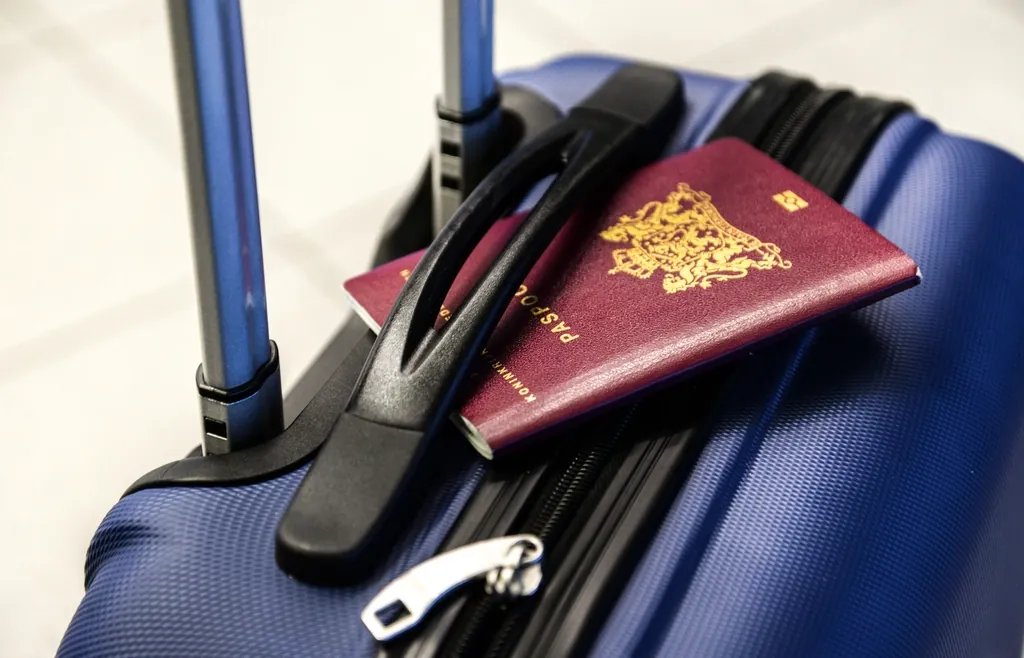
Diabetes shouldn’t keep you from visiting family, taking a business trip or finally booking that vacation. It does mean a little extra planning, because travel changes the things that affect blood sugar: meal times, activity levels, sleep, time zones and even the temperature your insulin is stored at.
The easiest way to travel with confidence is to use a checklist. This guide walks you through what to do before you go, what to pack in your carry-on, how to get through airport security and how to stay on track once you arrive.
Key Takeaways
- See your healthcare team 4 to 6 weeks before a big trip to review your plan, especially if you’ll cross time zones.
- Pack at least twice the diabetes supplies you think you’ll need, and keep them in your carry-on.
- Insulin and diabetes supplies are allowed through US airport security, but tell the officer about them.
- Protect insulin from extreme heat and cold, and never store it in checked luggage.
- Carry fast-acting carbohydrate, snacks and medical identification at all times.
Explore every guide on the BDDiabetes.com homepage.
Before You Go: Plan Ahead
A few weeks of preparation can prevent most travel problems. Start with an appointment.
Talk With Your Healthcare Team
Ask your doctor or diabetes educator to review your plan for the trip. This is especially important if you take insulin and will cross several time zones, since your dosing schedule may need to change. Only adjust doses using guidance from your care team.
Also ask for:
- A letter describing your diabetes and the medications and devices you use
- Copies of your prescriptions, including generic names, in case you need refills away from home
- Advice on handling illness while traveling
Check Insurance, Pharmacies and Vaccines
Find out whether your health insurance covers care at your destination, and look up a pharmacy near where you’ll stay. For international trips, the CDC’s Travelers’ Health site lists recommended vaccines and health notices by country.
The Diabetes Travel Packing Checklist
A good rule of thumb is to pack at least double the medication and supplies you expect to use. Delays, lost bags and unexpected situations happen. If you’re traveling with a companion, consider splitting backup supplies between your bags.
| Category | What to pack | Where to pack it |
|---|---|---|
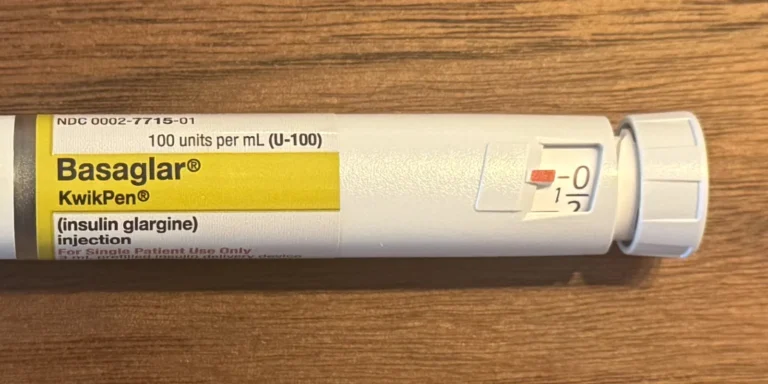
| Medication | Insulin, pens or vials, oral medicines, glucagon or other emergency medicine prescribed for you | Carry-on |
| Injection supplies | Pen needles, syringes, alcohol swabs, travel sharps container | Carry-on |
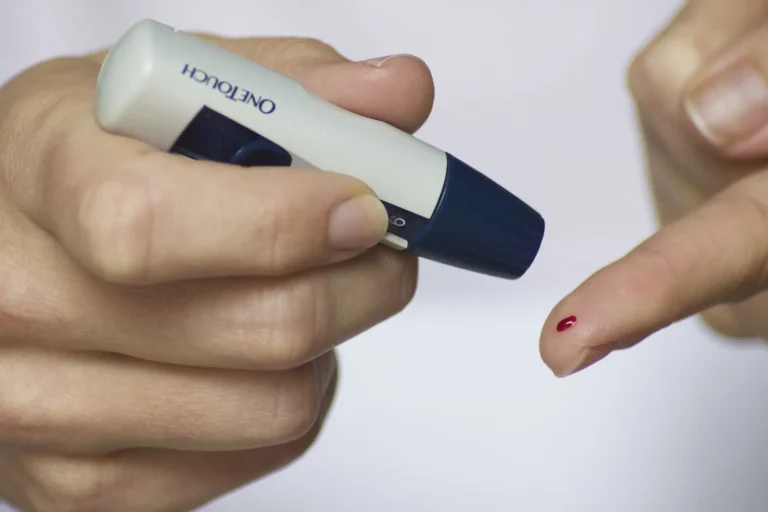
| Monitoring | Meter, test strips, lancets, CGM sensors, spare batteries and chargers, ketone strips | Carry-on |
| Pump supplies | Infusion sets, reservoirs, backup insulin pens or syringes in case the pump fails | Carry-on |
| Treating lows | Glucose tablets or gel, juice boxes, small snacks | Carry-on and personal item |
| Documents | Doctor’s letter, prescription copies, insurance card, emergency contacts | Carry-on, with photos on your phone |
| Protection | Insulated cooling case or pouch for insulin | Carry-on |
| Comfort and safety | Medical ID bracelet or necklace, comfortable shoes, foot care supplies | Wear or carry |
If you use an insulin pen, our guide to how to use an insulin pen includes storage tips that are useful on the road.
Don’t Forget a Mini Sick-Day Kit
Getting sick on vacation can affect your blood sugar quickly. Pack a thermometer, ketone strips, a few easy carbohydrate snacks and a copy of your sick-day plan. Our guide on how to build a diabetes sick-day kit explains what to include.
Getting Through Airport Security
In the US, the TSA allows insulin, diabetes supplies and medically necessary liquids, gels and juice through security checkpoints, including amounts larger than the usual liquid limit. You’ll need to declare them and they may be screened separately.
Tips for a smoother screening:
- Tell the officer at the start of screening that you have diabetes and are carrying supplies.
- Keep supplies together in a clear bag so they’re easy to inspect.
- Ask about your devices. Check your CGM or insulin pump manufacturer’s guidance about body scanners and X-ray machines. You can request a pat-down or hand inspection instead.
- Request help in advance if you’d like it. TSA Cares offers assistance for travelers with medical conditions.
The American Diabetes Association also has a helpful page on what you can bring on a plane, which is worth reviewing before you fly.
Tip: Set phone alarms for medication and glucose checks based on your home schedule, then follow your care team’s plan for transitioning to local time. Reminders help when jet lag makes it easy to lose track.
Protecting Insulin and Supplies
Insulin is sensitive to temperature. Extreme heat can break it down, and freezing can ruin it.
- Never pack insulin in checked luggage. Cargo holds can get very cold, and bags can be lost.
- Use an insulated case to keep insulin cool in hot weather, but don’t let it touch ice packs directly or freeze.
- Never leave supplies in a hot car or in direct sunlight at the beach or pool.
- Check how long your insulin can be kept unrefrigerated by reading the package insert or asking your pharmacist.
Meters and test strips can also be affected by heat, cold and humidity, so keep them with you rather than in a hot car or trunk.
Staying on Track While You Travel
Meals and Snacks
Flights and road trips don’t always come with predictable meals. Carry your own snacks and a source of fast-acting carbohydrate everywhere. Simple tools like the diabetes plate method make it easier to build balanced meals at restaurants.
Activity
Vacations often involve far more walking than usual, which can lower blood sugar. Check more often on active days and know how to treat a low. Our rule of 15 guide covers the steps.
Long Flights and Car Rides
Sitting for hours can affect circulation and blood sugar. Get up and stretch or walk the aisle when it’s safe, stay hydrated and keep up with your usual glucose checks.
Foot Care
New places mean more walking, sometimes in new shoes. Wear comfortable, broken-in footwear, avoid going barefoot and check your feet each evening for blisters or sores.
When You’re Traveling Abroad
- Learn a few phrases in the local language, such as “I have diabetes” and “sugar or juice, please.”
- Know that insulin may be sold in different concentrations or brand names in other countries. Ask your pharmacist before you go.
- Find out the local emergency number at your destination.
- Bring plug adapters for chargers and meters.
For more practical guides for everyday life with diabetes, visit our Blog.
Frequently Asked Questions
Can I bring insulin on a plane?
Yes. In the US, insulin and diabetes supplies are allowed in carry-on bags. Tell the TSA officer you have them, and keep insulin with you rather than in checked luggage.
How much extra supply should I pack?
A common recommendation is at least twice what you expect to use, split between bags if possible, in case of delays or lost luggage.
How do I handle insulin when changing time zones?
It depends on your insulin type, schedule and how many time zones you cross. Ask your healthcare team for a personalized plan before you travel.
Do I need a doctor’s letter to fly with diabetes supplies?
It isn’t always required for US flights, but a letter and prescription copies can be very helpful, especially for international travel or if you need care away from home.
This article is for educational purposes only and is not a substitute for professional medical advice. Always talk with your doctor, diabetes educator or pharmacist before changing your treatment.