
Planning meals with diabetes can feel overwhelming. Between carbs, portions, labels and food lists, it is easy to feel like every bite needs a calculation. The diabetes plate method offers a simpler starting point.
Instead of weighing and counting everything, you use your plate as a guide. By dividing it into sections, you naturally get more vegetables, enough protein and a sensible amount of carbohydrate. It is a practical approach many diabetes educators recommend for everyday meals.
Key Takeaways
- Use a 9-inch dinner plate: fill half with non-starchy vegetables, a quarter with lean protein and a quarter with carbohydrate foods.
- Pair the plate with water or another zero-calorie drink.
- The method helps control portions and slow blood sugar rises without detailed counting.
- It works for breakfast, lunch and dinner, and at home or when eating out.
- Your dietitian can help adjust the method if you take insulin or have specific calorie needs.
Explore every guide on the BDDiabetes.com homepage.
What Is the Diabetes Plate Method?
The plate method is a visual tool for building balanced meals. The American Diabetes Association (ADA) describes it as an easy way to create meals that include vegetables, protein and carbohydrates in healthy proportions, without counting, calculating or measuring.
The NIDDK also recommends the plate method as one of several meal-planning approaches for people with diabetes. Because it focuses on proportions, it is especially helpful if you are newly diagnosed or want a simple routine.
How to Build Your Plate, Step by Step
Start with a standard dinner plate about 9 inches across. Larger plates make it easy to overfill, even with the right proportions.
- Fill half your plate with non-starchy vegetables. These are low in carbs and calories and rich in fiber, vitamins and minerals.
- Fill one quarter with lean protein. Protein helps you feel full and has little direct effect on blood sugar.
- Fill the last quarter with carbohydrate foods. These have the biggest effect on blood sugar, so keeping them to a quarter helps.
- Choose a zero-calorie drink. Water, unsweetened tea or sparkling water are good choices.
Food ideas for each section
| Plate section | Examples |
|---|---|
| Half: non-starchy vegetables | Broccoli, leafy greens, salad, green beans, peppers, cauliflower, carrots, tomatoes, zucchini, mushrooms |
| Quarter: lean protein | Chicken or turkey, fish and seafood, eggs, tofu, tempeh, lean beef or pork, low-fat cheese |
| Quarter: carbohydrate foods | Brown rice, whole-grain pasta, quinoa, whole-grain bread, potatoes, corn, peas, beans, lentils, fruit |
| Drink | Water, unsweetened tea or coffee, sparkling water, diet soda in moderation |
Beans and lentils contain both protein and carbohydrate. In the plate method, they usually go in the carbohydrate section.
Why the Plate Method Works
The method shifts the balance of a typical meal. Many people are used to plates that are mostly starch with a small side of vegetables. Flipping that ratio has several benefits:
- Steadier blood sugar. A smaller portion of carbs, paired with fiber and protein, tends to cause a gentler rise after meals.
- Better portion control. The plate sets natural limits without a scale.
- More nutrients. Filling half the plate with vegetables boosts fiber, vitamins and minerals.
- Weight management. Vegetables add volume with few calories, which can help you feel full.
You can see the effect for yourself. Try checking your blood sugar before a meal and about two hours after, then compare a plate-method meal with your usual meal.
Tip: Serve the vegetables first. When half your plate is already full of salad or roasted vegetables, it is much easier to keep the starch to a quarter.
Sample Plate-Method Meals
Here are a few ideas to show how flexible the method can be:
Breakfast
- Spinach and mushroom omelet, sliced tomatoes, and one slice of whole-grain toast
- Plain Greek yogurt with a small handful of berries, alongside sautéed peppers and onions
Lunch
- Large green salad with grilled chicken and a small whole-wheat pita
- Turkey and vegetable soup with a side salad and a small portion of brown rice
Dinner
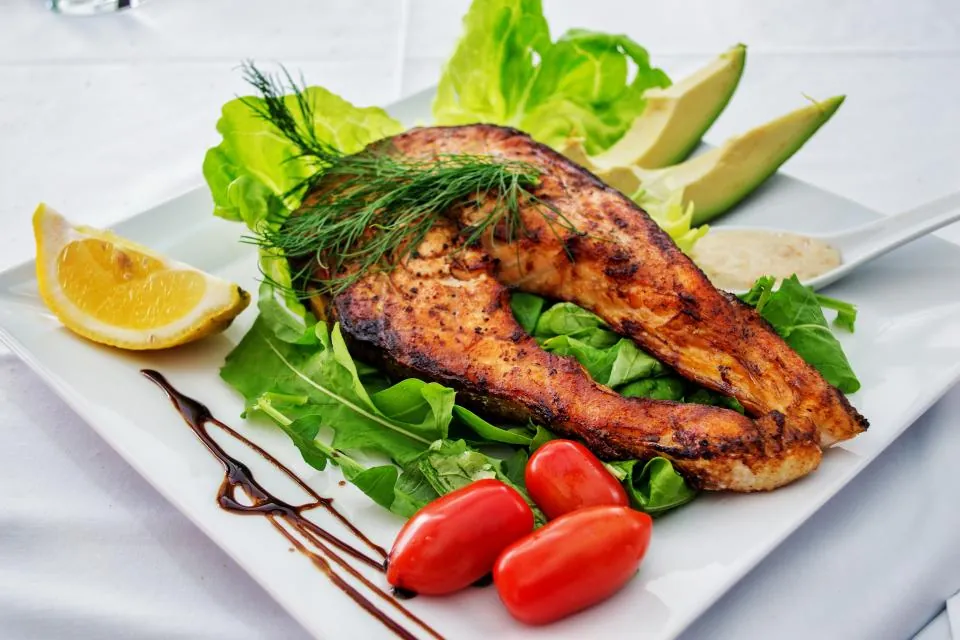
- Baked salmon, roasted broccoli and cauliflower, and a quarter plate of quinoa
- Stir-fried tofu with bok choy, snap peas and carrots over a small serving of brown rice
For more morning ideas, see our list of diabetes-friendly breakfast ideas.
Making Smart Choices for Your Carb Quarter
Not all carbohydrate foods affect blood sugar the same way. Within your quarter-plate, choosing less processed, higher-fiber options can help slow digestion and keep you full longer.
- Pick brown rice, quinoa, barley or farro more often than white rice.
- Choose 100% whole-grain bread or whole-wheat pasta over refined versions.
- Leave the skin on potatoes and sweet potatoes for extra fiber.
- Add beans or lentils to soups, salads and bowls.
- Enjoy whole fruit instead of juice.
Adapting the Plate Method to Real Life
Mixed dishes
Casseroles, soups and stews do not divide neatly. Estimate how much of the dish is vegetables, protein and starch. If it is mostly pasta or rice, keep your portion modest and add a side salad or steamed vegetables.
Eating out
Restaurant plates are often much larger than 9 inches. Picture the plate method on a smaller plate, ask for extra vegetables instead of fries, and consider boxing up half before you start.
Cultural and family foods
The plate method works with any cuisine. Rice, tortillas, roti and noodles all fit in the carbohydrate quarter. The key is the proportion, not giving up foods you love.
When to Go Beyond the Plate
The plate method is a great foundation, but some people need more detail. If you take mealtime insulin, your care team may teach you to count carbohydrates so your dose matches your meal. Our guide to carb counting for beginners is a good next step.
A registered dietitian or diabetes educator can personalize your plan based on your medicines, activity level, weight goals and preferences. Ask your doctor for a referral, since diabetes self-management education is often covered by insurance.
Find more practical food guides in our Nutrition section.
Frequently Asked Questions
Can I eat fruit with the plate method?
Yes. Fruit counts as a carbohydrate food. You can include a small piece of fruit in your carb quarter or enjoy it on the side in place of another starch.
Is the plate method enough if I take insulin?
It is a helpful framework, but many people who take mealtime insulin also need to count carbs. Follow the plan your diabetes care team gives you.
Do I have to use a 9-inch plate?
A 9-inch plate is the standard reference. If your plates are larger, fill them less, or measure your plate once so you know where the 9-inch mark falls.
What about desserts?
Sweets can fit occasionally. If you plan dessert, consider reducing the starch on your plate to balance the total carbohydrate in your meal.
This article is for educational purposes only and is not a substitute for professional medical advice. Always talk with your doctor, diabetes educator or pharmacist before changing your treatment.