

If you live with diabetes, you have probably heard your doctor mention your A1C. It is one of the most important numbers in diabetes care, yet many people are not sure exactly what it measures or why it can look different from their daily meter readings.
Think of A1C as a long-range view. While a fingerstick check shows your blood sugar at one moment, A1C reflects your average over roughly the past two to three months. This guide explains how the test works, how to read your result and how to use it alongside your everyday numbers.
Key Takeaways
- A1C measures the percentage of hemoglobin in your red blood cells that has glucose attached to it.
- It reflects your average blood sugar over about two to three months.
- An A1C below 5.7% is considered normal; 5.7% to 6.4% indicates prediabetes; 6.5% or higher indicates diabetes.
- Many adults with diabetes aim for an A1C below 7%, but your personal goal may be higher or lower.
- Some conditions, such as anemia or kidney disease, can make A1C less accurate.
Explore every guide on the BDDiabetes.com homepage.
What Is the A1C Test?
Glucose in your bloodstream naturally sticks to hemoglobin, the protein in red blood cells that carries oxygen. The higher your blood sugar has been, the more hemoglobin becomes coated with glucose.
Red blood cells live for about three months, so the A1C test gives a picture of your average glucose over that period. The NIDDK explains that the test is used both to diagnose type 2 diabetes and prediabetes and to monitor how well diabetes is being managed.
How the test is done
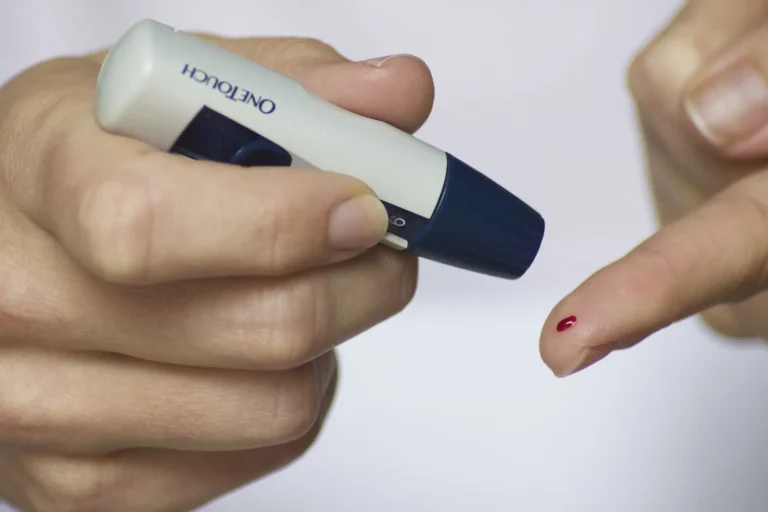
A1C is usually done with a blood sample from a vein, sent to a lab. Some clinics use a fingerstick test with results in minutes. You do not need to fast beforehand, which makes it convenient.
How to Read Your A1C Result
Results are given as a percentage. The American Diabetes Association (ADA) uses these ranges for diagnosis:
| A1C result | What it means |
|---|---|
| Below 5.7% | Normal |
| 5.7% to 6.4% | Prediabetes |
| 6.5% or higher | Diabetes (usually confirmed with a repeat test) |
If your result falls in the prediabetes range, our guide to prediabetes signs and next steps covers practical changes that can lower your risk.
Converting A1C to estimated average glucose
Because meters show glucose in mg/dL, it can help to translate A1C into the same units. This is called estimated average glucose (eAG). The table below uses the standard formula adopted by the ADA:
| A1C | Estimated average glucose (eAG) |
|---|---|
| 5% | 97 mg/dL |
| 6% | 126 mg/dL |
| 7% | 154 mg/dL |
| 8% | 183 mg/dL |
| 9% | 212 mg/dL |
| 10% | 240 mg/dL |
Every one-point change in A1C equals roughly a 29 mg/dL change in average glucose. That is why even a modest drop, such as from 8% to 7%, is meaningful.
What Is a Good A1C Goal?
For many nonpregnant adults with diabetes, the ADA suggests an A1C goal below 7%. This level is linked with a lower risk of complications affecting the eyes, kidneys and nerves.
Goals are individualized, though. Your healthcare team may recommend:
- A lower goal if it can be reached safely without frequent low blood sugar.
- A higher goal for older adults, people with a history of severe lows, or those with other serious health conditions.
- A tighter goal during pregnancy, set by the prenatal care team.
Talk with your doctor about the number that is right for you and why. Helpful questions include: What is my personal A1C goal? How does my latest result compare with my last one? Should anything in my plan change based on this number?
How Often Should You Get Tested?
General guidance from the ADA suggests testing:
- At least twice a year if you are meeting your goals and your treatment is stable.
- About every three months if your treatment has changed or you are not yet at your goal.
Tip: Bring your meter log or continuous glucose monitor report to the appointment where you discuss your A1C. Looking at both together helps explain why the number went up or down.
What Can Affect A1C Accuracy?
Because A1C depends on red blood cells, anything that changes how long those cells live can skew the result. Factors include:
- Anemia, including iron-deficiency anemia
- Recent heavy blood loss or a blood transfusion
- Chronic kidney disease or liver disease
- Pregnancy
- Certain inherited hemoglobin variants, such as sickle cell trait
If any of these apply to you, your doctor may use other measures, such as frequent home checks or continuous glucose monitoring, to get a clearer picture.
A1C vs. Daily Blood Sugar Checks
A1C and daily checks answer different questions, and you need both.
| A1C test | Daily meter or CGM readings | |
|---|---|---|
| What it shows | Average over about 3 months | Glucose at a specific moment |
| How often | Every 3–6 months | Daily, or continuously with a CGM |
| Best for | Tracking long-term risk and trends | Day-to-day decisions about food, activity and medicine |
| What it misses | Highs, lows and swings | The long-term big picture |
Two people can have the same A1C with very different daily patterns. One might have steady readings, while another swings between highs and lows that average out. That is why your care team also looks at your home blood sugar checks and any history of low blood sugar episodes.
Time in range and GMI
If you use a continuous glucose monitor, your report may show time in range, which is the percentage of time your glucose stays between 70 and 180 mg/dL. According to the ADA, many adults aim for more than 70% time in range. Reports may also show a glucose management indicator (GMI), an estimate of A1C based on sensor data.
Ways to Help Lower Your A1C
Small, steady changes add up over three months. Work with your healthcare team on steps such as:
- Following a balanced eating pattern, like the diabetes plate method
- Moving more, such as brisk walking most days of the week
- Taking medicines exactly as prescribed
- Getting enough sleep and managing stress
- Checking your blood sugar as recommended and sharing patterns with your team
Explore more articles on monitoring and targets in our Blood Sugar section.
Frequently Asked Questions
Do I need to fast before an A1C test?
No. A1C reflects an average over months, so what you ate that morning does not meaningfully change the result.
Why is my A1C high when my meter readings look good?
You may be missing high readings at times you do not usually check, such as after meals or overnight. Accuracy issues, such as anemia, can also play a role. Share this with your doctor.
Is A1C used for both type 1 and type 2 diabetes?
Yes. A1C is used to monitor both types. It is not the right test for diagnosing type 1 diabetes or gestational diabetes, which rely on other blood tests, but it remains a key tracking tool once you are diagnosed.
How quickly can A1C change?
Because it reflects about three months, changes show up gradually. Many doctors wait about three months after a treatment change before rechecking.
This article is for educational purposes only and is not a substitute for professional medical advice. Always talk with your doctor, diabetes educator or pharmacist before changing your treatment.