A cold, the flu, a stomach bug or even a dental infection can throw your blood sugar off balance. When you’re sick, your body releases stress hormones to fight the illness, and those hormones can push glucose higher, even if you’re barely eating. Vomiting or not eating can also lead to unexpected lows for some people.
The worst time to gather supplies is when you’re already feeling miserable. A sick-day kit, packed in advance and stored in one easy-to-find place, lets you focus on resting and following your care plan instead of running to the pharmacy with a fever.
Key Takeaways
- Illness can raise or lower blood sugar, so people with diabetes need a plan before they get sick.
- A sick-day kit holds glucose and ketone testing supplies, extra medication, easy foods, fluids and a written plan.
- Most people should keep taking their diabetes medicines when sick unless their care team advises otherwise.
- Check blood sugar more often, about every 4 hours, and check ketones if your team recommends it.
- Know the warning signs that mean it’s time to call your doctor or seek emergency care.
Explore every guide on the BDDiabetes.com homepage.
Why Sick Days Need Special Planning
During illness, blood sugar can rise quickly. For some people, especially those with type 1 diabetes, high glucose combined with too little insulin can lead to diabetic ketoacidosis (DKA), a medical emergency. People with type 2 diabetes can develop a dangerous condition called hyperosmolar hyperglycemic state, particularly when dehydrated.
The CDC’s guidance on managing sick days emphasizes preparing ahead, keeping up with medication, monitoring glucose and staying hydrated. A kit makes those steps much easier.
Step 1: Start With a Written Sick-Day Plan
Before you pack anything, talk with your healthcare team and write down your personal sick-day rules. This is the most important item in the kit.
Ask your doctor or diabetes educator:
- Which of my medicines should I keep taking, and are there any I should pause when I’m vomiting or dehydrated?
- How often should I check my blood sugar while sick?
- At what blood sugar level should I check for ketones?
- How should I adjust insulin, if at all, when I’m sick? (Only follow dosing changes your team gives you.)
- When should I call the office, and when should I go to the emergency room?
Keep a printed copy in the kit, along with your doctor’s phone number, your pharmacy’s number and an after-hours line.
Step 2: Pack Your Monitoring Supplies
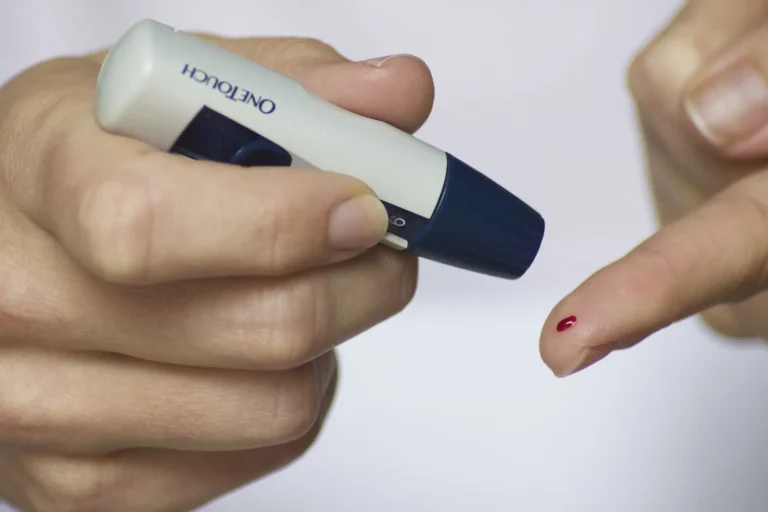
You’ll check your numbers more often when you’re sick, so make sure you won’t run out.
- Blood glucose meter with spare batteries, test strips and lancets
- CGM supplies, such as a spare sensor, if you use one
- Ketone test strips (urine) or a blood ketone meter and strips
- A thermometer
- A notebook and pen, or a log sheet, to record readings, temperature, fluids and medication
Check expiration dates on test strips and ketone strips, since expired strips can give inaccurate results. If you need a refresher on testing technique, see our guide on how to check your blood sugar.
Step 3: Add Foods and Fluids
When you’re sick, your appetite may disappear, but your body still needs fuel and fluids. The CDC notes that if you can’t eat your usual meals, you may need to eat or drink about 50 grams of carbohydrate every 4 hours. Ask your care team what’s right for you.
| Purpose | Kit items | Notes |
|---|---|---|
| Easy carbohydrates | Crackers, applesauce cups, instant oatmeal, broth-based soups with noodles or rice | Choose foods that are gentle on the stomach |
| Liquid carbohydrates | Regular (non-diet) ginger ale, juice boxes, regular gelatin, ice pops | Helpful if you can’t eat solid food |
| Sugar-free fluids | Water, broth, sugar-free drinks, sugar-free gelatin | Sip often to prevent dehydration |
| Treating lows | Glucose tablets or gel, small juice boxes | See the rule of 15 for treating lows |
| Electrolytes | Oral rehydration solution or sports drinks | Ask whether regular or sugar-free versions suit you |
Knowing the carbohydrate content of these foods ahead of time makes it easier to stay on target. Our carb counting for beginners guide can help, and you can review the steps for treating lows in our rule of 15 article.
Tip: Tape a list of your kit’s contents and expiration dates to the inside of the lid. Set a reminder to review it every six months, or when the clocks change, and replace anything used or expired.
Step 4: Include Medications and Comfort Items
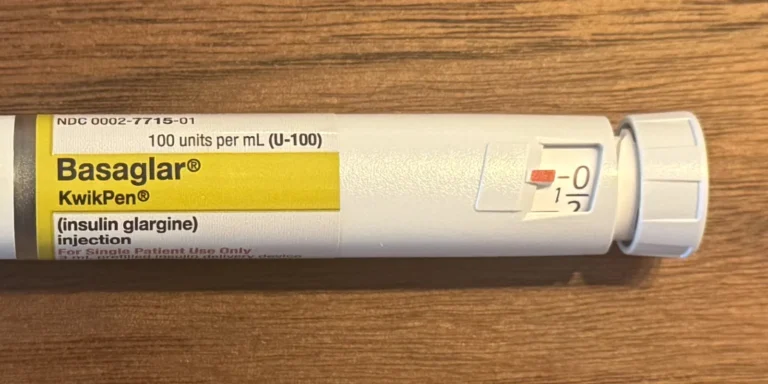
Keep a backup supply of your diabetes medications and insulin on hand, stored as directed (insulin often needs refrigeration, so note in the kit where it’s kept). The CDC recommends having several weeks of medicine and supplies available for emergencies.
You may also want:
- Over-the-counter medicines your doctor or pharmacist has approved, such as a fever reducer
- Sugar-free cough drops or cough syrup, if recommended by your pharmacist
- Tissues, hand sanitizer and a few disposable masks
- A list of all your current medications and doses
- A sharps container for used lancets and needles
A Note on Over-the-Counter Medicines
Some cold and flu products contain sugar or ingredients that can affect blood sugar or interact with other medications. Ask your pharmacist which options are best for you before you need them, and write their suggestions on your plan.
Step 5: Know When to Get Help
Your written plan should spell out when to call for help. According to the CDC and the American Diabetes Association, warning signs that need prompt medical attention include:
- Moderate or large ketones
- Blood sugar that stays high despite following your plan, or repeated lows
- Being unable to keep food or liquids down for more than about 4 hours
- Fever above 101°F that lasts more than 24 hours
- Trouble breathing, confusion, extreme sleepiness or fruity-smelling breath
- Signs of dehydration, such as very dark urine or dizziness when standing
If you have severe symptoms or can’t reach your care team, call 911 or go to the nearest emergency room.
Where to Keep Your Kit
Choose a sturdy bin or bag and store it somewhere easy to reach, such as a hall closet or bathroom cabinet. Let family members know where it is and what’s inside, so they can help if you’re too sick to manage. If you travel often, consider a smaller version for the road, as described in our traveling with diabetes checklist.
For more practical guides like this, browse our Blog.
Frequently Asked Questions
Should I keep taking my diabetes medicine when I’m sick?
In most cases, yes. Illness can raise blood sugar even if you’re not eating. However, some medicines may need to be paused if you’re vomiting or dehydrated, so follow the specific sick-day rules your healthcare team gives you.
How often should I check my blood sugar when sick?
The CDC suggests checking about every 4 hours. Your care team may recommend checking more often, especially if you use insulin.
When should I test for ketones?
Many care teams recommend checking ketones when blood sugar is 240 mg/dL or higher during illness, particularly for people with type 1 diabetes. Ask your doctor for your personal guideline.
What should I eat if I can’t keep food down?
Try small sips of fluids that contain carbohydrate, such as regular ginger ale or juice, along with sugar-free fluids to stay hydrated. If you can’t keep anything down for several hours, contact your healthcare provider.
This article is for educational purposes only and is not a substitute for professional medical advice. Always talk with your doctor, diabetes educator or pharmacist before changing your treatment.