
Hearing the words “gestational diabetes” during pregnancy can be unsettling, especially when you are already juggling appointments, plans and a lot of new information. Take a breath: gestational diabetes is common, it is not your fault, and with the right care most people go on to have healthy pregnancies and healthy babies.
This guide explains what gestational diabetes is, how it is diagnosed, what treatment usually involves and why follow-up after your baby arrives matters for your long-term health.
Key Takeaways
- Gestational diabetes is high blood sugar that first develops during pregnancy, usually in the second half.
- Most people are screened between 24 and 28 weeks of pregnancy, and earlier if they have risk factors.
- Many people manage it with meal planning, activity and blood sugar checks; some also need insulin.
- It usually goes away after delivery, but it raises the lifelong risk of type 2 diabetes.
- A glucose test 4 to 12 weeks after birth, then regular screening, is recommended.
What Is Gestational Diabetes?
During pregnancy, the placenta makes hormones that help your baby grow. Some of these hormones make your body more resistant to insulin. Most of the time, the pancreas simply makes extra insulin to keep up.
When the body cannot make enough extra insulin, blood sugar rises, and that is gestational diabetes. According to the CDC, it affects about 5% to 9% of pregnancies in the United States each year.
Who Is at Higher Risk?
Gestational diabetes can happen to anyone, including people with no risk factors. However, the risk is higher if you:
- Had gestational diabetes in a previous pregnancy
- Have overweight or obesity
- Have a parent or sibling with type 2 diabetes
- Have prediabetes or polycystic ovary syndrome (PCOS)
- Previously gave birth to a baby weighing more than 9 pounds
- Are 25 or older
- Are African American, Hispanic/Latino, American Indian, Alaska Native, Asian American or Pacific Islander
If you have risk factors, your provider may test you early in pregnancy to check for diabetes that was present before pregnancy.
Signs and Screening
Gestational diabetes rarely causes noticeable symptoms. Some people feel thirstier or need to urinate more, but those changes are also common in a typical pregnancy. That is why routine testing is so important.
Most pregnant people are screened between 24 and 28 weeks, as described by the NIDDK. In the US, two approaches are common:
- Two-step approach: A 1-hour glucose challenge test, where you drink a sweet liquid and have blood drawn an hour later. If the result is high, a longer 3-hour fasting glucose tolerance test follows.
- One-step approach: A 2-hour oral glucose tolerance test after fasting, with blood drawn before and at one and two hours after the drink.
Your provider will explain which test you will have and how to prepare.
Why Managing Blood Sugar Matters
Keeping blood sugar in range protects both you and your baby. When gestational diabetes is not well managed, risks can include:
- A larger-than-average baby, which can make delivery more difficult and raise the chance of a cesarean birth
- Low blood sugar in the baby shortly after birth
- Preeclampsia (high blood pressure in pregnancy)
- Preterm birth
- A higher chance that the child develops obesity or type 2 diabetes later in life
The good news is that treatment substantially lowers these risks.
Blood Sugar Targets During Pregnancy
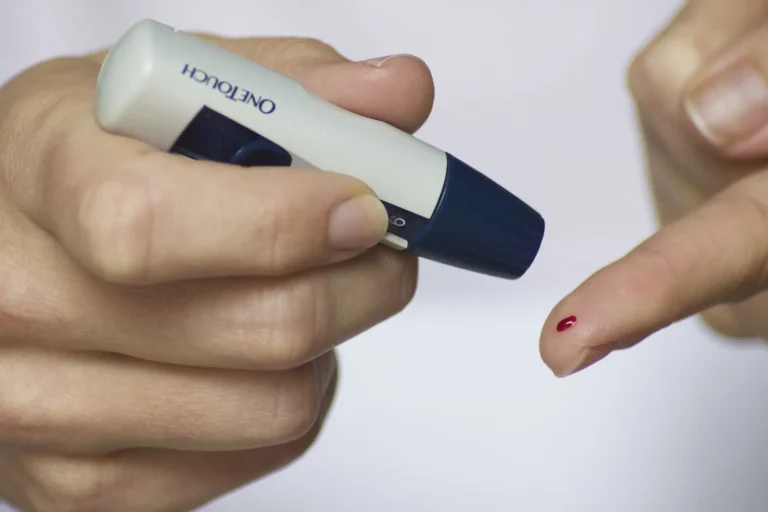
Your care team will usually ask you to check your blood sugar several times a day, often when you wake up and after meals. The American Diabetes Association lists these commonly used targets, though your team may set different ones for you:
| Timing | Common target |
|---|---|
| Fasting (before breakfast) | Below 95 mg/dL |
| 1 hour after starting a meal | Below 140 mg/dL |
| 2 hours after starting a meal | Below 120 mg/dL |
If you are new to finger-stick testing, our guide on how to check your blood sugar walks through each step.
How Gestational Diabetes Is Treated
Meal planning
Most people start with changes to what and when they eat. A registered dietitian can help you build a plan that supports your baby’s growth while keeping blood sugar steady. Common strategies include:
- Eating three moderate meals and two to three snacks spread through the day
- Pairing carbohydrates with protein, healthy fats and fiber
- Choosing whole grains, vegetables, beans and whole fruit over refined starches and sweets
- Limiting juice, soda and other sugary drinks
- Including a bedtime snack if your team recommends it to help with morning readings
Physical activity
If your provider says it is safe, regular moderate activity such as walking, swimming or prenatal exercise classes can help your body use insulin better. Even a short walk after meals can help lower readings.
Medication when needed
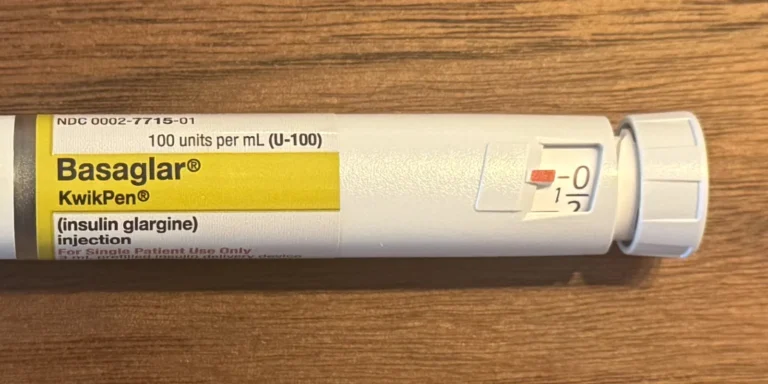
Some people need medicine to reach their targets, and that is completely normal. Insulin is generally the preferred medication in pregnancy because it does not cross the placenta in meaningful amounts. Your team will teach you how to use it safely, including tips like rotating injection sites. In some cases, a provider may discuss other options.
Tip: Keep a simple log of your readings next to notes about what you ate and how active you were. Bringing it to appointments helps your team spot patterns and adjust your plan quickly.
Labor, Delivery and After Your Baby Arrives
Your care team may monitor your baby’s growth more closely and talk with you about the timing of delivery. After birth, your baby’s blood sugar is usually checked, and early feeding helps keep it stable.
For most people, blood sugar returns to normal soon after delivery. However, gestational diabetes is an important signal about your future health. About half of people with gestational diabetes go on to develop type 2 diabetes later in life.
That is why follow-up is key:
- Get a glucose test 4 to 12 weeks after delivery
- Continue screening for diabetes or prediabetes every one to three years for life
- Tell future providers you had gestational diabetes
- Consider breastfeeding if it works for you, as it may help lower your type 2 risk
- Keep up healthy habits, which lower your risk for the long run
At bddiabetes.com we encourage new parents to put that postpartum test on the calendar right away, because it is easy to forget once life with a newborn begins. For more background on how diabetes types differ, see Type 1 vs Type 2 Diabetes and the rest of our Diabetes Basics guides.
Frequently Asked Questions
Did I cause my gestational diabetes?
No. Pregnancy hormones cause insulin resistance in everyone. Genetics and other factors determine whether your body can keep up. It is not the result of anything you did wrong.
Will my baby be born with diabetes?
No. Babies are not born with diabetes because of gestational diabetes. Managing blood sugar helps lower the baby’s risk of low blood sugar at birth and of health problems later in life.
Will I get gestational diabetes again?
It is more likely in future pregnancies, but it does not always happen. Healthy habits between pregnancies and early testing in your next pregnancy can help.
Can I still have a vaginal birth?
Many people with gestational diabetes have vaginal births. Your care team will discuss the safest delivery plan for you and your baby.
This article is for educational purposes only and is not a substitute for professional medical advice. Always talk with your doctor, diabetes educator or pharmacist before changing your treatment.